What Should I Expect During a Dental Emergency and How to Prepare | Belmont Dental Hamilton NJ
Dental emergencies have a way of catching people off guard. One moment everything feels normal, and the next you’re dealing with sudden pain, a broken tooth, or swelling that doesn’t seem to improve. What makes these situations more stressful is not just the discomfort, but the uncertainty - not knowing what to do, how serious it is, or what will happen when you get to the dentist.
Having a clear understanding of how dental emergencies are handled can make these situations far less overwhelming. When patients know what to expect and how to respond, they are better equipped to protect their oral health and avoid complications.
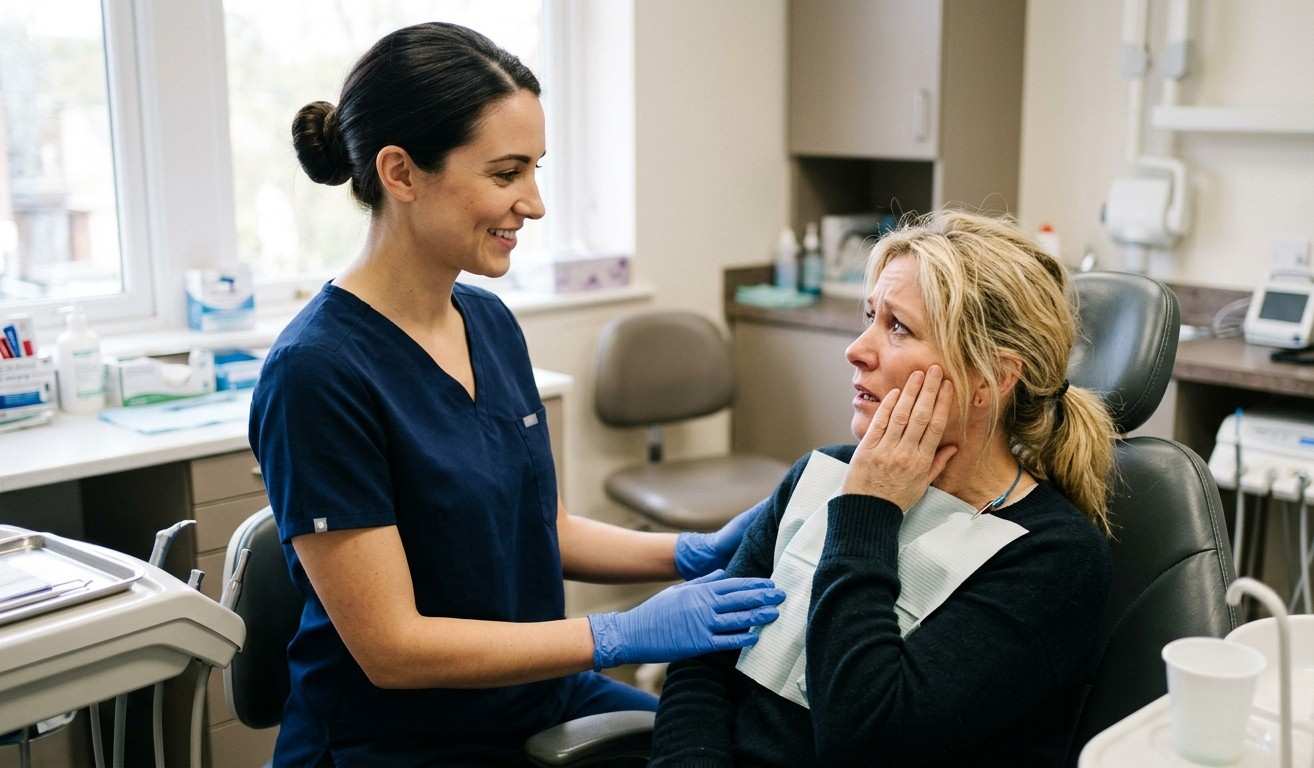
Recognizing When a Dental Issue Becomes an Emergency
Not every dental concern requires urgent care, but some situations should be addressed as quickly as possible. The key is understanding the difference between discomfort that can wait and symptoms that need immediate attention.
Dental emergencies often involve sudden changes such as pain, trauma, or visible damage. These issues tend to worsen if ignored, which is why early action is important.
Situations that may require urgent dental care include:
- Intense or persistent tooth pain that doesn’t subside
- A chipped, cracked, or broken tooth causing discomfort
- A tooth that has been knocked out or loosened
- Swelling in the gums, jaw, or face
- Bleeding that continues despite basic care
- Signs of infection such as tenderness or unusual discharge
Patients searching for a best dentist near me often do so during these moments, looking for quick and reliable care.
What Happens During an Emergency Dental Visit
One of the biggest concerns people have is what will happen when they arrive for emergency treatment. The process is usually more straightforward and focused than many expect.
The appointment typically begins with an evaluation of your symptoms. The dentist will ask questions about what happened, when the issue started, and how severe the discomfort is. This is followed by an examination of the affected area, sometimes supported by imaging to better understand the problem.
The primary goal during this visit is to stabilize the situation. That may involve relieving pain, controlling infection, or protecting the tooth from further damage. In many cases, a temporary solution is provided first, with a plan for complete treatment scheduled later.
Patients who visit a top-rated dentist near me for emergency care often find the experience more reassuring than anticipated because of this structured approach.
Pain Management and Immediate Relief
Pain is usually the most urgent concern during a dental emergency. Modern dentistry places a strong emphasis on making patients comfortable as quickly as possible.
Depending on the situation, treatment may include:
- Numbing the area to eliminate discomfort
- Addressing inflammation or infection
- Covering exposed areas of the tooth
- Stabilizing damaged structures
These steps are designed to provide immediate relief while also preventing the condition from worsening.
How to Prepare Before a Dental Emergency Happens
While emergencies are unpredictable, preparation can make a significant difference in how smoothly they are handled. Being prepared allows you to act quickly rather than feeling overwhelmed.
Simple ways to prepare include:
- Saving your dentist’s contact information in your phone
- Knowing the route to your dental office in advance
- Keeping basic dental supplies at home
- Understanding how to respond to common dental injuries
- Staying consistent with routine dental care
Preparation doesn’t eliminate emergencies, but it helps reduce stress when they occur.
Where Patients in Hamilton Turn During Urgent Dental Situations
When unexpected dental issues arise, many patients rely on Belmont Dental Group, located at 1230 Whitehorse Mercerville Road, Hamilton, NJ 08619. Individuals often find the practice while searching for a top dentist near me when they need timely care they can trust.
Having an established dental provider makes emergencies easier to manage, as patients already know where to go and what level of care to expect.
What You Can Do Immediately After a Dental Emergency Starts
The first few minutes after a dental emergency can influence the outcome. Taking the right steps can help protect the affected area until professional care is available.
Helpful actions may include:
- Rinsing gently with clean water to keep the area clean
- Applying a cold compress to reduce swelling
- Avoiding pressure on the affected tooth
- Keeping any broken pieces or knocked-out teeth safe
- Staying hydrated and avoiding extreme temperatures in food or drinks
Even simple actions can help minimize damage and improve recovery.
Staying Calm Makes a Big Difference
It’s natural to feel anxious during a dental emergency, especially when pain or visible damage is involved. However, staying calm allows you to think clearly and respond appropriately.
Understanding that most dental emergencies can be managed effectively with prompt care helps reduce panic. When patients know what to expect, they are more likely to take the right steps and seek treatment quickly.
This is why many people prefer having a top-rated dentist near me they can rely on during stressful situations.
What Happens After the Emergency Is Stabilized
Emergency treatment is usually the first step, not the final one. Once immediate concerns are addressed, a follow-up plan is created to fully restore the affected tooth or area.
This may include:
- Permanent restorations such as crowns or fillings
- Additional procedures if deeper damage is present
- Monitoring healing over time
- Adjusting bite or alignment if needed
Completing these steps ensures that the issue is resolved properly and reduces the risk of future complications.
Reducing the Risk of Future Emergencies
While not all emergencies can be avoided, many are preventable with consistent care and awareness. Small habits can make a significant difference in reducing risk.
Preventive measures include:
- Attending regular dental checkups
- Addressing minor issues before they worsen
- Avoiding chewing hard objects
- Using protective gear during sports
- Maintaining strong daily oral hygiene
Patients who prioritize prevention often experience fewer unexpected dental problems.
Being Informed Helps You Stay in Control
Dental emergencies can feel overwhelming, but knowledge changes how they are experienced. Understanding what qualifies as an emergency, how treatment works, and what steps to take allows patients to respond with confidence.
With preparation, awareness, and access to the right care, these situations become manageable rather than stressful. Acting quickly and following professional guidance can protect your oral health and help you recover comfortably.
Frequently Asked Questions
1. What should I do first during a dental emergency?
Stay calm, assess the situation, and contact a dentist as soon as possible for guidance.
2. Can dental emergencies be treated on the same day?
In many cases, yes. Emergency visits focus on immediate relief and stabilizing the issue.
3. Is a cracked tooth always an emergency?
It depends on the severity, but cracks that cause pain or sensitivity should be evaluated promptly.
4. How can I reduce pain before reaching the dentist?
Using a cold compress and avoiding pressure on the affected area can help temporarily.
5. Are dental emergencies preventable?
Many can be reduced through regular dental care, good hygiene habits, and avoiding risky behaviors.

