What Is Restorative Dentistry? How Dentists in Hamilton, NJ Help Improve Damaged Teeth | Belmont Dental
Teeth are designed to be strong and durable, but over time they can become worn, damaged, or affected by decay. Everyday habits such as chewing, grinding, or exposure to acidic foods gradually impact tooth structure. Injuries, untreated cavities, or aging dental work can also contribute to changes in how teeth look and function.
Restorative dentistry focuses on repairing these issues in a way that brings back both function and comfort. Instead of simply addressing symptoms, it aims to rebuild and support the natural structure of teeth so patients can eat, speak, and smile with ease again.
Understanding Restorative Dentistry in Everyday Terms
Restorative dentistry involves treatments that repair or replace damaged teeth. The goal is to restore strength, structure, and usability while maintaining as much of the natural tooth as possible. This approach allows patients to continue using their teeth comfortably without compromising long-term oral health.
Unlike purely cosmetic procedures, restorative care focuses first on function. However, many restorative treatments also improve appearance as a secondary benefit. For example, repairing a chipped or decayed tooth often results in a more natural and balanced look.
Patients who visit a top dentist in Hamilton NJ often find that restorative dentistry is not just about fixing problems - it’s about preserving what’s still healthy.
Common Reasons Patients Need Restorative Dental Care
Dental damage can happen gradually or suddenly. In many cases, patients may not notice an issue until it begins to affect daily comfort.
Some of the most common reasons for restorative treatment include:
- Tooth decay that weakens enamel and underlying structure
- Cracks or fractures caused by biting or injury
- Worn teeth from grinding or long-term use
- Missing teeth affecting function and alignment
- Old or failing dental work needing replacement
Recognizing these issues early and seeking care from the best dentist near me can help prevent more complex problems later.
Types of Restorative Treatments and Their Purpose
Restorative dentistry includes a variety of treatments designed to address different levels of damage. Each option is selected based on the condition of the tooth and the patient’s overall oral health.
Common restorative solutions include:
- Dental fillings to repair cavities and restore tooth structure
- Crowns to strengthen and protect weakened teeth
- Bridges to replace missing teeth by connecting adjacent teeth
- Dental implants to provide a stable, long-term tooth replacement
- Inlays and onlays for moderate damage that doesn’t require a full crown
Each of these treatments plays a specific role in rebuilding function while supporting long-term durability.
How Restorative Dentistry Improves Daily Function
One of the most immediate benefits of restorative care is improved function. When teeth are damaged, even simple activities like chewing or speaking can become uncomfortable.
Restorative treatments help:
- Restore proper chewing ability
- Reduce sensitivity or discomfort
- Improve bite alignment
- Prevent additional strain on surrounding teeth
Patients who seek care from a top-rated dentist near me often notice that daily activities feel more natural and comfortable after treatment.
The Importance of Early Intervention
Many restorative procedures are simpler when problems are addressed early. Small cavities, minor cracks, or worn fillings can often be treated quickly before they develop into more serious issues.
Delaying treatment may lead to:
- Increased damage to the tooth structure
- Higher risk of infection
- More complex and time-consuming procedures
- Greater overall cost
This is why regular dental checkups are essential - they allow dentists to identify concerns before they escalate.
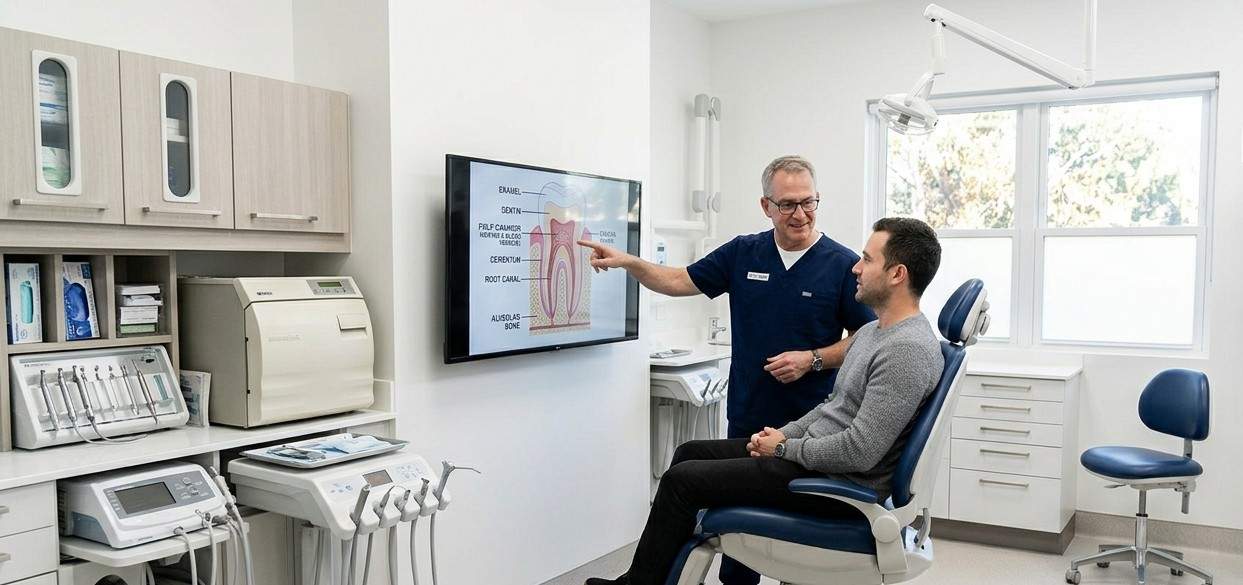
Where Patients in Hamilton Receive Restorative Care
Patients in Hamilton who need restorative treatment often visit Belmont Dental Group, located at 1230 Whitehorse Mercerville Road, Hamilton, NJ 08619. Many individuals first discover the practice while searching for a best dentist near me for reliable restorative care.
The focus on personalized treatment planning helps ensure that each restoration is designed to fit comfortably and function effectively over time.
Restorative Dentistry and Long-Term Oral Health
Restorative care does more than repair individual teeth - it supports the overall health of the mouth. When damaged teeth are left untreated, they can affect surrounding teeth, gums, and even jaw alignment.
Long-term benefits of restorative dentistry include:
- Preventing further tooth damage
- Maintaining proper bite alignment
- Protecting surrounding teeth from excess stress
- Supporting overall oral stability
The Connection Between Restorative and Preventive Care
Restorative dentistry and preventive care go hand in hand. While restorative treatments repair damage, preventive care helps protect those repairs and reduce the risk of future issues.
Maintaining results often involves:
- Regular dental checkups and cleanings
- Consistent brushing and flossing
- Avoiding habits that stress teeth, such as grinding
- Addressing minor concerns early
This combination of care helps ensure that restorations remain durable and effective.
Emotional and Lifestyle Benefits of Restoring Teeth
Beyond physical improvements, restorative dentistry can have a meaningful impact on a patient’s quality of life. Damaged or missing teeth often affect confidence, comfort, and social interactions.
After treatment, many patients experience:
- Increased confidence while smiling
- Greater comfort during meals
- Improved speech clarity
- Reduced anxiety about dental issues
These changes often make everyday activities feel easier and more enjoyable.
A Personalized Approach Makes a Difference
Every patient’s needs are different, which is why restorative dentistry requires a personalized approach. Treatment plans are based on factors such as the extent of damage, overall oral health, and long-term goals.
Dentists consider:
- The strength and condition of the tooth
- Bite alignment and function
- Patient preferences and comfort
- Long-term durability of the restoration
This individualized planning helps ensure that results are both effective and long-lasting.
Restoring Comfort, Function, and Confidence
Restorative dentistry is about more than fixing teeth - it’s about restoring balance to your oral health. By addressing damage early and choosing the right treatment, patients can regain comfort, improve function, and protect their smiles for the future.
With modern techniques and a preventive mindset, restorative care allows patients to move forward with confidence, knowing their teeth are supported and maintained.
Frequently Asked Questions
1. What is restorative dentistry?
Restorative dentistry focuses on repairing or replacing damaged teeth to restore function and oral health.
2. When do I need restorative dental treatment?
If you have cavities, cracked teeth, missing teeth, or worn dental work, restorative care may be needed.
3. Are restorative treatments long-lasting?
Yes, with proper care and regular dental visits, many restorations can last for years.
4. Does restorative dentistry improve appearance as well?
Yes, many treatments also enhance the look of teeth while restoring function.
5. How can I avoid needing restorative dental work?
Good oral hygiene, regular checkups, and early treatment of minor issues can help prevent major problems.

